Quels sont les différents types de peinture automobile ?
- Avantages
- Inconvénients
- Conseil
- Avantages
- Inconvénients
- Conseil
Peinture
Les différents types
Les finitions de votre voiture sont tout aussi importantes que ce qui se trouve sous le capot et sur le tableau de bord. Alors, si vous êtes un peu perdu dans le monde de la peinture automobile, voici un petit guide pour nettoyer la peinture !
(Ne vous inquiétez pas, nous n’allons pas vous ennuyer avec des choix de couleurs de la peinture voiture. C’est assez évident, et vous n’allez choisir qu’une couleur que vous aimez).
Peinture solide
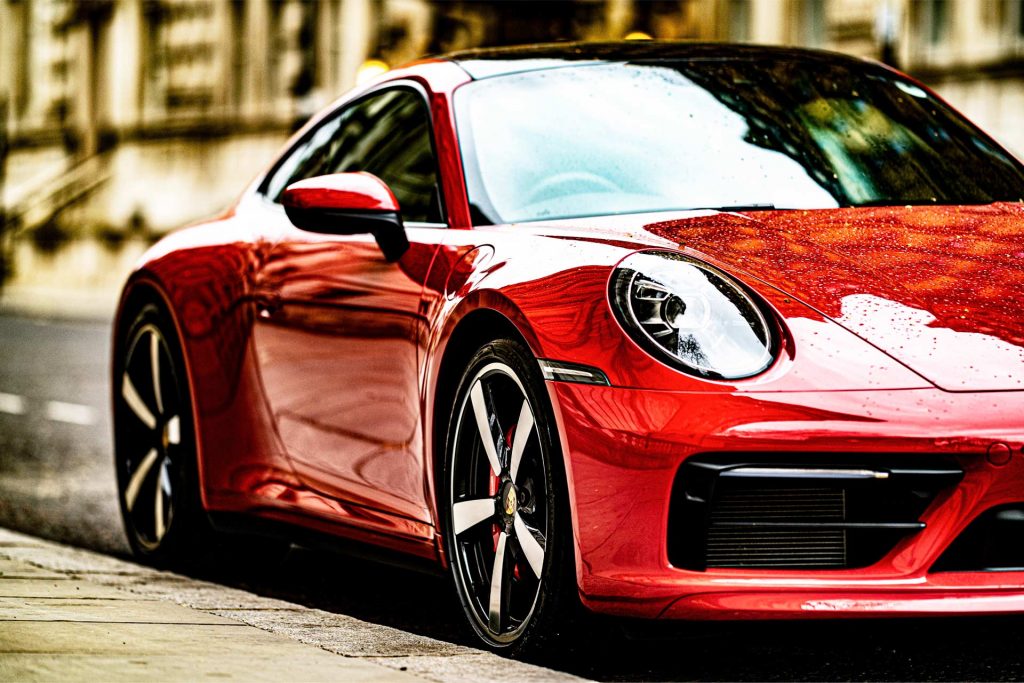
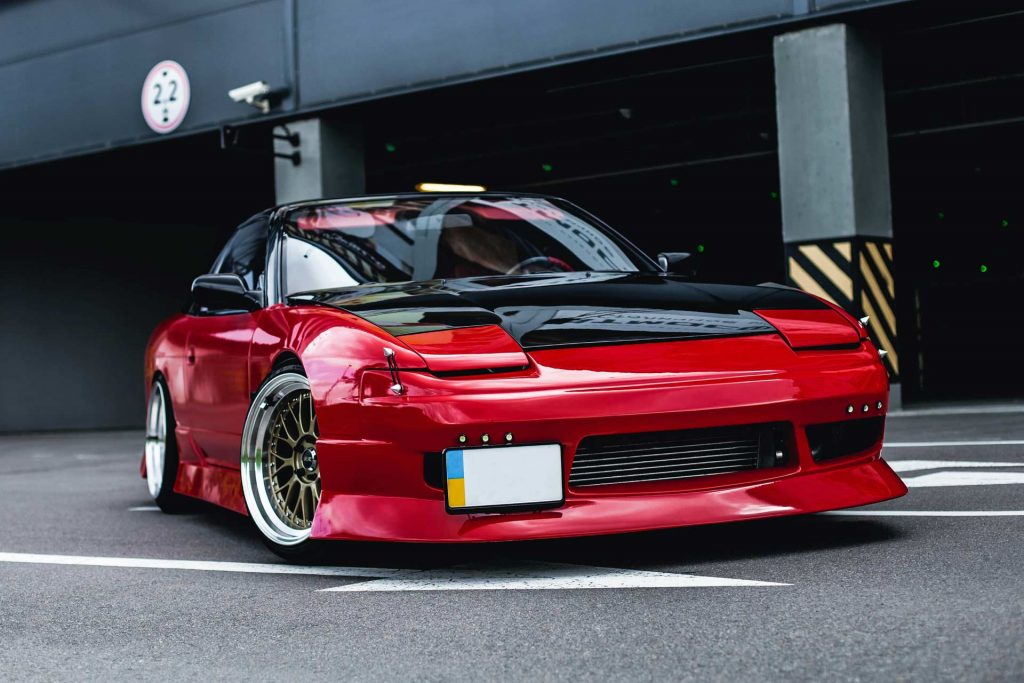
Il s’agit du type de peinture qui est livré en standard lorsque la voiture sort directement de l’usine. Il y aura toujours au moins une couleur qui ne vous coûtera rien de plus, et les autres seront aussi bon marché sous forme d’éclats !
Nacrée
La peinture nacrée a de plus petits cristaux de céramique (généralement du « mica ») qui reflètent plusieurs couleurs sous la même lumière en la réfractant différemment. Elle lui donne plus d’éclat que de brillance, elle scintille également et présente des couleurs légèrement différentes quand on la regarde vraiment.
Métallique
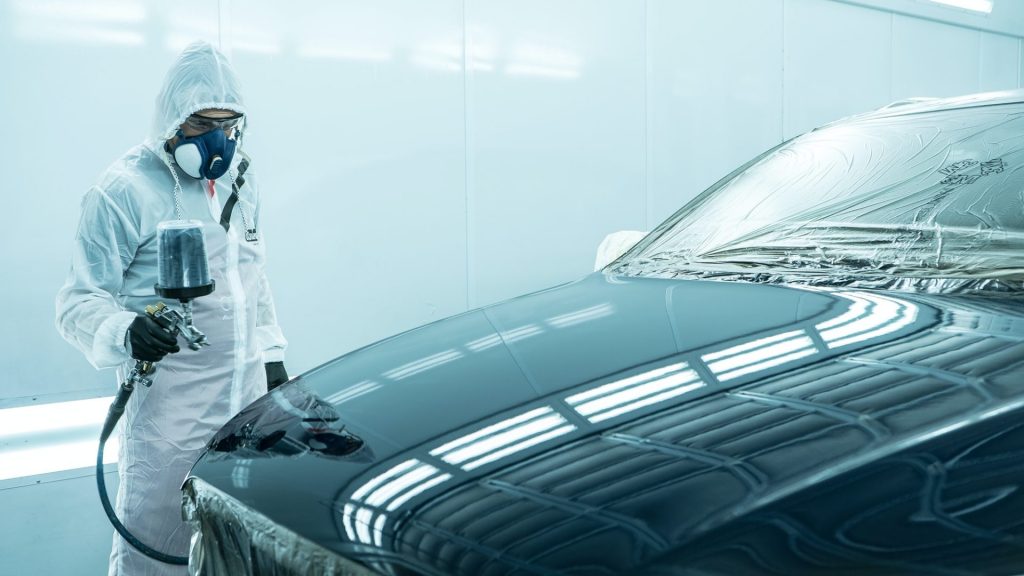
La peinture métallisée contient des écailles (généralement de l’aluminium) qui font rebondir la lumière sur la surface, ce qui la fait briller – surtout si on la compare à des couleurs unies.
Matte
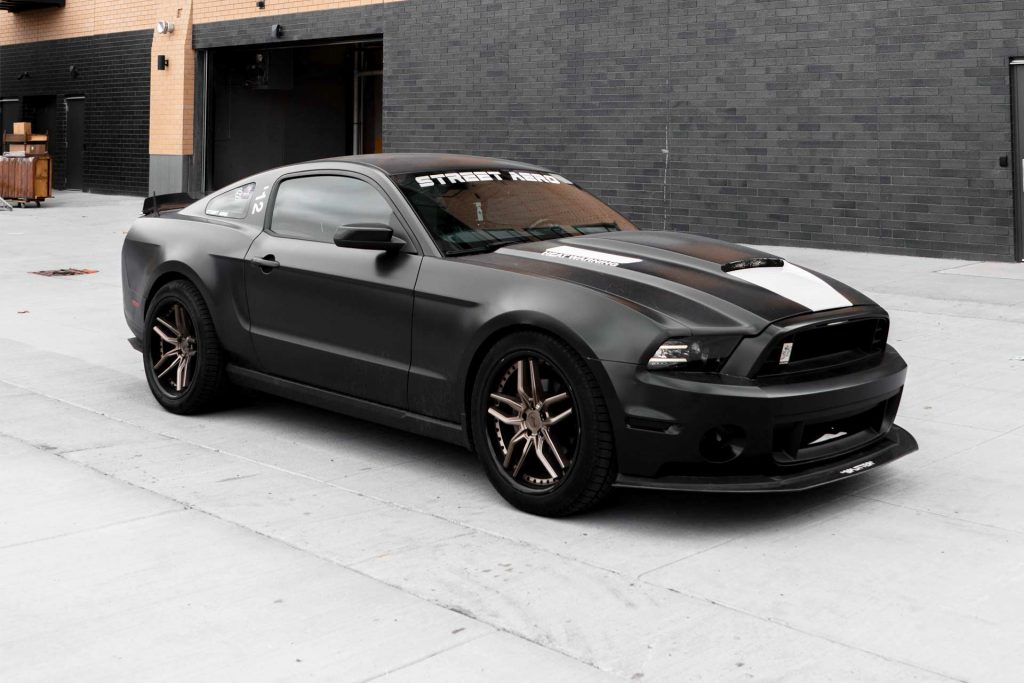
Les véritables finitions mates ne sont généralement disponibles que dans les véhicules haut de gamme. Généralement, lorsque vous les voyez dehors et dans les environs, les peintures mates ont tendance à avoir une finition satinée ou soyeuse, mais elles ont toutes l’aspect non brillant. (Alors, est-ce vraiment important ?)
Peinture solide
Avantages
- Au moins une couleur n’aura pas de coût supplémentaire lors de l’achat du véhicule.
- C’est très bien, surtout si vous voulez quelque chose de neutre.
- Un grand choix de couleurs – littéralement des milliers (si vous vous repeignez vous-même).
- Réparation facile et abordable des puces/rayures/accrocs.
- Vous pouvez même réparer les petits éclats de pierre avec un stylo de retouche !
- Facile à entretenir.
Inconvénients
- A tendance à s’effacer avec le temps – surtout le rouge Vauxhall.
- Montre plus de saletés et de traces que les autres types de peinture
- Bien qu’il y ait des milliers de couleurs au choix, si vous achetez à l’usine, les couleurs peuvent être limitées au blanc, au rouge, au noir et au bleu.
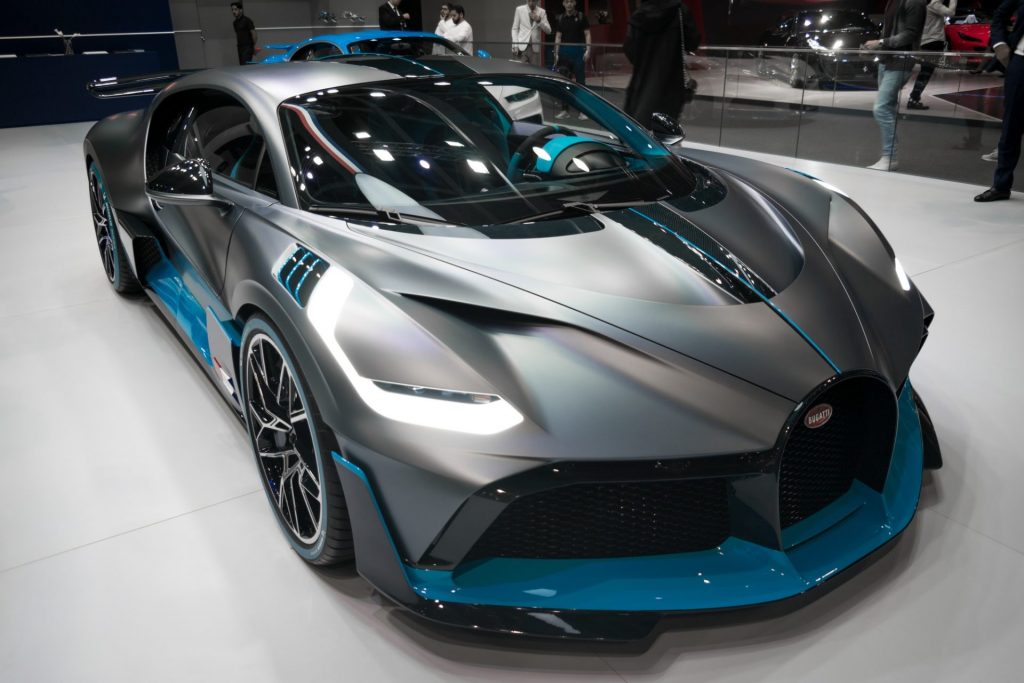
Métallique
Avantages
- Ça a l’air super !
- La peinture métallisée est plus résistante que la peinture solide.
- Aide à déterminer la valeur du véhicule si vous le vendez à l’avenir.
- Ne s’efface pas autant que les couleurs unies.
Inconvénients
- Plus coûteux à réparer en cas de dommage.
- En cas de réparation, la plupart des ateliers de carrosserie ne garantissent pas une correspondance exacte des couleurs.
- Le coût initial est plus que de la peinture solide.
- Moins de couleurs à choisir.
Matte
Avantages
- Vous êtes sûr de vous démarquer.
- Semble rester propre plus longtemps.
Inconvénients
- Vous ne pouvez pas le faire passer par un lavage automatique.
- Nécessite des produits spécialisés pour entretenir la peinture, qui est délicate et dont il faut s’occuper souvent.
- Et sur ce point… coûteux à entretenir.
- Les éraflures et les bosses sont facilement perceptibles.
- Coût d’achat élevé.
Nacrée
Définition
La peinture nacrée a de plus petits cristaux de céramique (généralement du « mica ») qui reflètent plusieurs couleurs sous la même lumière en la réfractant différemment. Elle lui donne plus d’éclat que de brillance, elle scintille également et présente des couleurs légèrement différentes quand on la regarde vraiment.
Avantages
- Ça a l’air super ! (certains disent même mieux que métallique).
- La peinture nacrée est plus résistante que la peinture solide.
- Ne s’efface pas autant.
Inconvénients
- Plus coûteux à réparer en cas de dommage – même s’il s’agit d’un dommage métallique – et beaucoup plus long.
- En cas de réparation, la plupart des ateliers de carrosserie ne garantissent pas une correspondance exacte des couleurs.
- Le coût de la peinture voiture initial est plus élevé que solide ou métallique
- Moins de couleurs à choisir, mais ce n’est qu’un petit point car la peinture nacrée est en fait un ensemble de couleurs différentes.
Conseil
Pour être honnête, au lieu d’avoir le mal de tête de la peinture mate, pourquoi ne pas opter pour un film vinyle mat à la place ? C’est moins cher, cela n’affecte pas la valeur de revente, cela protège la peinture d’usine et c’est aussi beaucoup plus facile à entretenir – sans lésiner sur le style.
En fait, si vous envisagez de changer la peinture de votre voiture, il serait peut-être bon de jeter un coup d’œil sur les vinyles – ils sont certainement une alternative moins chère pour toute finition de peinture !